Speed without quality is just more risk in production. You own the code that ships under your name, regardless of who or what generated it. Early on, that means reviewing agent output line by line to build confidence in what the model gets right and where it fails.
Over time, reading every line doesn’t scale, so you build an AI reviewer to take on part of that load, checking for what your team cares about, such as correctness, security, maintainability, test quality, and common bug patterns. Run the AI reviewer pre-pull-request on local changes, and run it again in CI. As your AI reviewer matures, let it handle the first few passes of feedback.
Focus your human attention on what you can judge best, such as whether the design and architecture is right, how changes will impact upstream and downstream systems, and whether the security boundaries are sound.
Extend the agent loop beyond merge: let the agent monitor the deployment, verify production behavior, and automatically start working on a fix if something regresses. Owning the outcome means staying with the change through production, not stopping at the pull request.
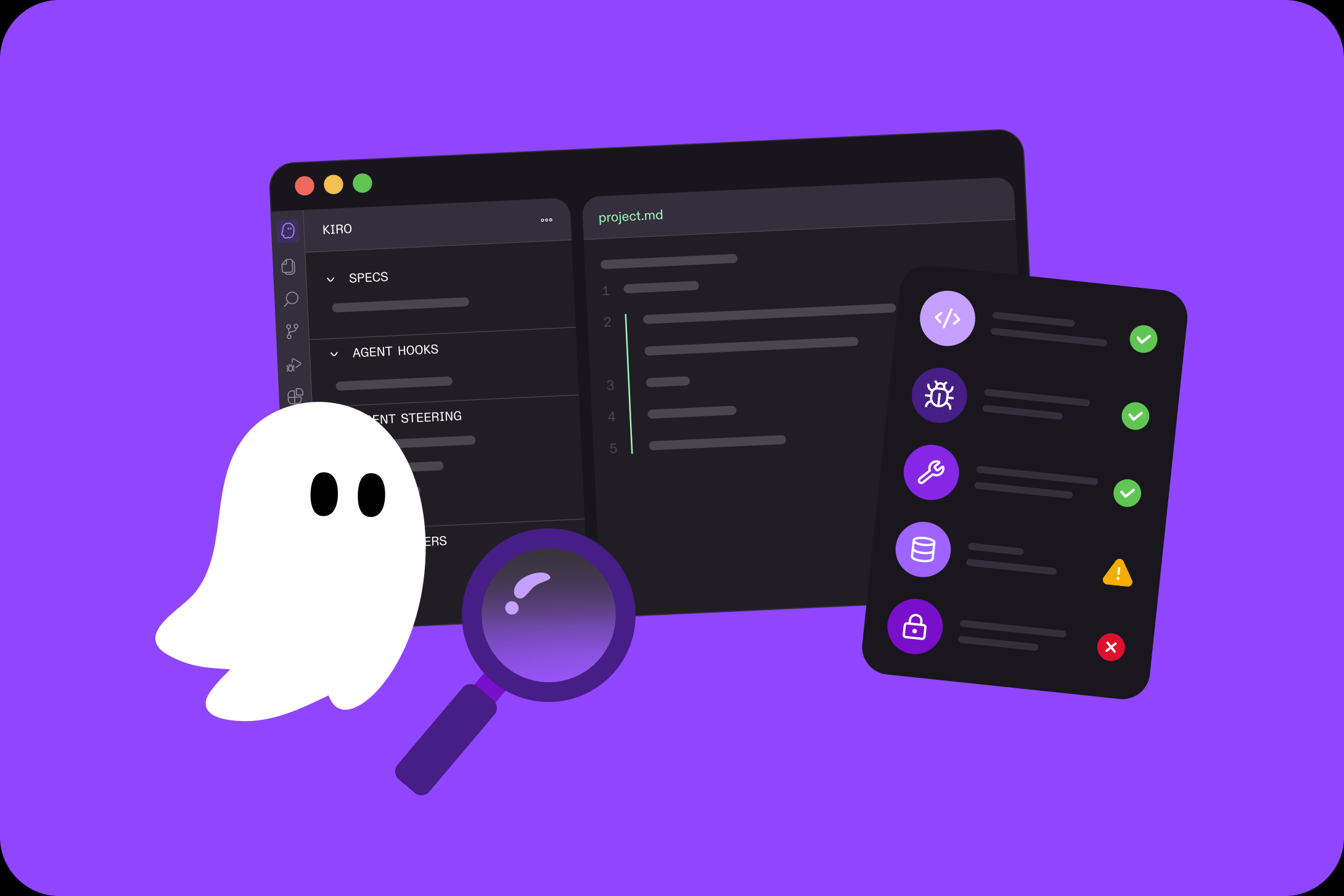
Speed without quality is just more risk in production. You own the code that ships under your name, regardless of who or what generated it. Early on, that means reviewing agent output line by line to build confidence in what the model gets right and where it fails.
Over time, reading every line doesn’t scale, so you build an AI reviewer to take on part of that load, checking for what your team cares about, such as correctness, security, maintainability, test quality, and common bug patterns. Run the AI reviewer pre-pull-request on local changes, and run it again in CI. As your AI reviewer matures, let it handle the first few passes of feedback.
Focus your human attention on what you can judge best, such as whether the design and architecture is right, how changes will impact upstream and downstream systems, and whether the security boundaries are sound.
Extend the agent loop beyond merge: let the agent monitor the deployment, verify production behavior, and automatically start working on a fix if something regresses. Owning the outcome means staying with the change through production, not stopping at the pull request.